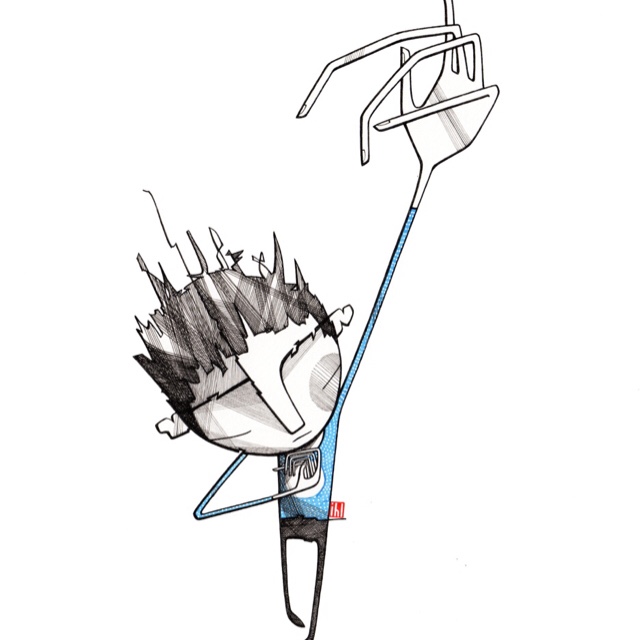
Asking for help is something we probably all do every day in all sorts of ways. It might be simple directions to the toilets in a new building, or what time will the bus arrive. The kind of “where are…?” / “what is…?” questions. Small units of information that help us go about our daily life. They don’t involve much risk.
Then there are the bigger questions:
- Can you give me a lift?
- Will you help me with my studies?
- Can you take care of my cat when I’m on holiday?
These requests are generally aimed to enhance our life, to help us do something with support. They are still perhaps mainly practical and the risk is higher. What if the other person says no? Can we bear a negative response? Our emotions may get involved and this starts to impact our motivation.
Then the more dangerous questions might be:
- Will you come out on a date with me?
- Will you look after me when I am sick?
- I don’t know how to do this, can you help me?
These three questions raise the stakes with vulnerability. Sexuality, illness and competence are all areas where we can feel vulnerable and therefore our emotions are even more foreground.
So what motivates us to ask for help, and what might interrupt that motivation and leave us stuttering or silent, unable to reach out?
My research suggests that some of the internal factors that enable us to ask are a good history of being responded to kindly in the past when we have taken risks with our vulnerability. So if, historically, we have been predictably enhanced when we have asked for help, we will bring a positive expectation that we will be treated kindly again. It probably means that we bring a confidence to how we ask too.
Conversely, if we have regularly been humiliated, ignored or hurt when we have asked for help as kids, then chances are our internal motivation is low and we might be shouting for help inside, but it doesn’t get past our lips. Our thinking may shut down and we can’t find the words and so our reaching out to others can be unclear and under confident.
In order to dare to ask we need to know that we will be met with care.
P.S. I am learning to blog and doing so in short bites to begin with. Please leave a comment or question to give me some feedback and help me develop the risks I take in starting to write in this way about my research. Thank you.

 Asking for Help